Smartphones have completely changed the way we approach photography, offering powerful cameras that can fit in the palm of your hand. Today, phone photography is not just about capturing memories but also about creating content that resonates on social media platforms where visuals dominate. Many creators even choose to buy TikTok likes as part of their growth strategy, highlighting the strong connection between eye-catching photography and online engagement. With the right balance of lighting, composition, and editing, a simple snapshot can turn into a piece of content that gains widespread attention. As social platforms continue to evolve, mastering the basics of phone photography ensures that your images stand out while also supporting your overall digital presence.
Understand the Role of Phone Photography in Social Media Exposure
Phone photography has become central to platforms like Instagram, TikTok, and Pinterest, where high-quality visuals drive engagement. Content creators rely on their smartphones not only for photography but also for quick sharing and instant editing. For businesses, compelling images taken with a phone can boost branding efforts and attract more attention from potential customers. The accessibility of smartphones makes consistent content creation more practical than ever.
Choose Quality Smartphone Cameras for Stunning Content
Today’s smartphones often come with multiple lenses, such as wide-angle, ultra-wide, and telephoto options, giving photographers flexibility to experiment with different perspectives. High-resolution sensors, night mode features, and AI-driven enhancements make it easier than ever to capture clear, detailed images in various lighting conditions. Many devices also offer RAW shooting, providing advanced users more control in post-editing.
Play With Lighting and Composition
One of the most important aspects of photography is lighting. Natural light usually delivers the best results, especially during golden hour, when soft, warm tones add depth to photos. Composition techniques like the rule of thirds, leading lines, and framing help transform ordinary shots into visually appealing images. By combining good lighting with thoughtful composition, phone photography can rival traditional methods.

Edit Images and Videos Professionally
Built-in editing tools and third-party apps make it easy to polish photos directly on your phone. Adjusting brightness, contrast, saturation, and sharpness can dramatically improve an image. Apps like Lightroom Mobile and Snapseed provide advanced options for those seeking greater precision. Editing allows users to enhance colors, correct flaws, and add creative effects, ensuring the final photo is as engaging as possible.
Try Content Engineering on PC
While smartphones handle most tasks easily, editing or storing photos on a PC can provide extra flexibility. By transferring images through cloud storage, USB, or apps, users can take advantage of larger screens and professional editing software like Photoshop. For those aiming to push their phone photography further, integrating PC tools ensures higher-quality results and better organization of images.
Phone photography blends convenience with creativity, empowering anyone to capture professional-quality images. From understanding lighting and composition to leveraging editing tools and social media, smartphones have become essential photography tools in everyday life. By combining mobile convenience with PC-based enhancements, phone photography continues to redefine how …







 The main issue with exposing your smartphone to extreme cold temperatures is the risk of permanent damage due to condensation and moisture. When you move from a warm environment into a cold one, and vice versa, the moisture in the air will condense around your phone’s electronics. This can lead to short-circuiting and other permanent damage that can render your device useless. One thing you can do to protect your device from this is to put it in a well-insulated case or pouch before exposing it to extreme temperatures.
 One industry that has been quick to adopt digital identification is online gaming. Many online games now require players to verify their identity before being allowed to play to combat cheating and fraud. This usually takes the form of a digital ID card that contains the player’s personal information and photo. By requiring players to use digital ID cards, online gaming companies can be sure that everyone playing is who they say they are. This helps to create a fair and safe gaming environment for all players.
 The banking and finance industry has been one of the earliest and most enthusiastic adopters of digital identification. Banks have long been using some form of electronic identification, such as an ATM card or a credit card, to verify their customers’ identities. More recently, banks have started using biometrics, such as fingerprints and iris scans, to verify the identities of their customers. Digital identification is also used to combat fraud in the banking and finance industry. Banks are using digital identification to verify the identities of their customers when they open new accounts, make transactions, or access their accounts online. By verifying the identities of their customers, banks can prevent criminals from opening fraudulent accounts or making unauthorized transactions.


 The hidden media is then encrypted with advanced 128 AES encryption. This provides total security as the images cannot be found even if the intruder deletes their SD card. They are locked, securely stored in an unknown location on your phone. The program uses a built-in PIN method to hide the locations. It is likely to save your videos and lock the folders. The premium version gets rid of all ads and has a different hiding mode that replaces the app with a very simple calculator.
 Your nosy friend will do his best to search for photos and videos on your Android phone, but he won’t discover any. It’s your key stash, and no one can find it until they long-press this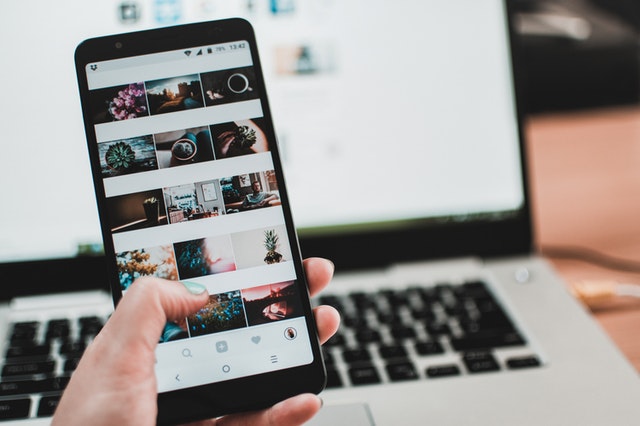



 A point-of-sale application allows you to preview, publish and search daily and daily revenue reports by the register, lot, and receipt amount. You’ll be able to see sales trends by what, style, store, and vendor. Most applications also allow you to export reports to Excel, XML, CSV, or your email program. This process will help you to analyze the reviews from the customers, either positive or negative. Therefore, you could improve your business significantly.…

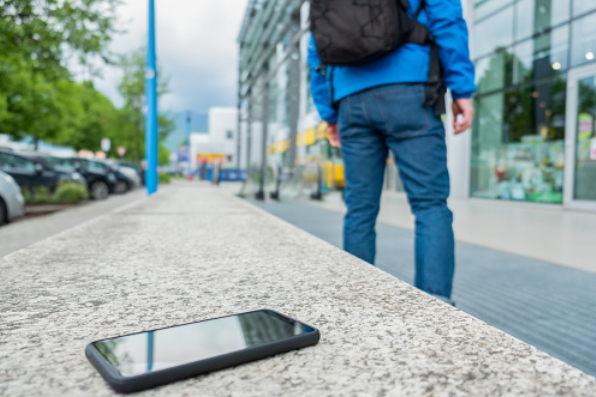
 The next essential step is calling your friend’s cell phone service provider and block their card because there are several phone numbers in the house. Once you’ve blocked their card, file a police report to get your lost card. If you don’t have the bill with you, go to the store where you bought the phone. Besides, you could find out the duplicate, photograph it and present it to the police. See that IMEI number on the invoice and update it to another lost phone database. When you buy second-hand phones, these databases will likely be consulted if your phone is stolen.
 Although devices like phones can be so effective for calming down the little ones, it would be best to get better ways of pacifying them than giving them gadgets or letting them use various media. Those caring for the kids must teach them how to handle boredom in healthy ways.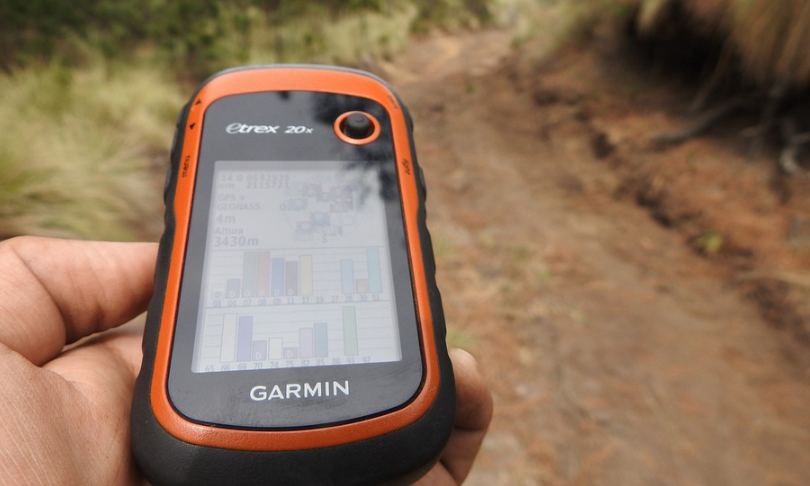

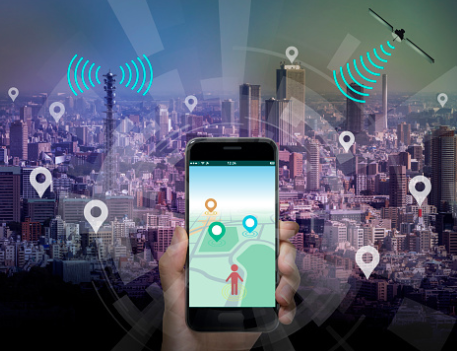
 Location info on a GPS depends on two principal parameters, a coordinate system along a datum. It is essential to have an excellent knowledge of both theories to use a GPS effectively. I will begin with coordinate systems, such as what they are and how they come to play with your GPS. A coordinate system represents a position by covering vertical and horizontal locations and directions on a plan. There are two chief sets of coordinate systems, angular and rectangular. Latitude-Longitude is an angular coordinate system developed for a three-dimensional thing like the globe. This is not a grid since the lines do not match at 90-degree angles, except the Equator. This system is created for a 2-dimensional thing such as a map, and traces meet 90-degree angles.